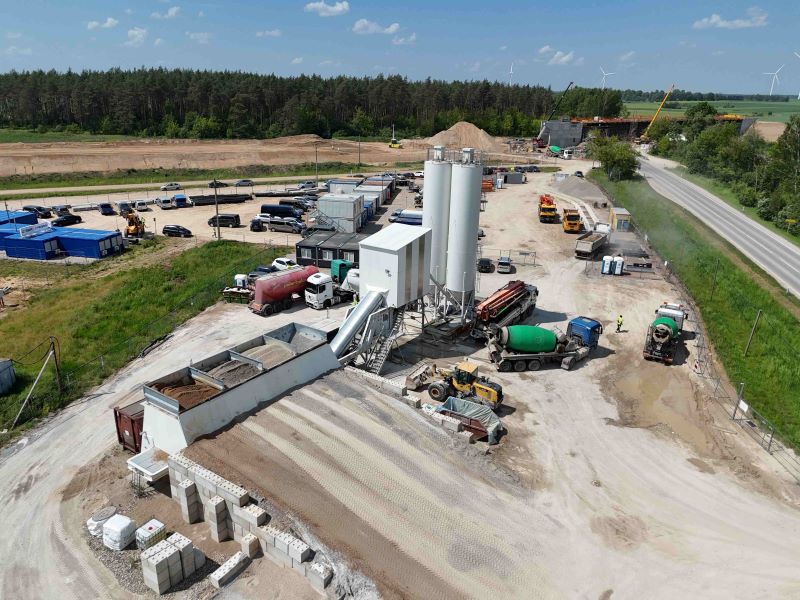
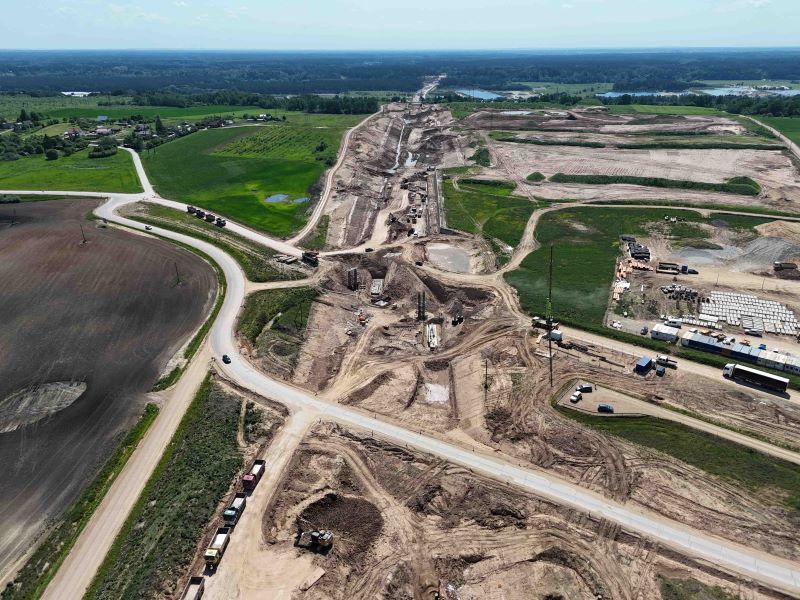
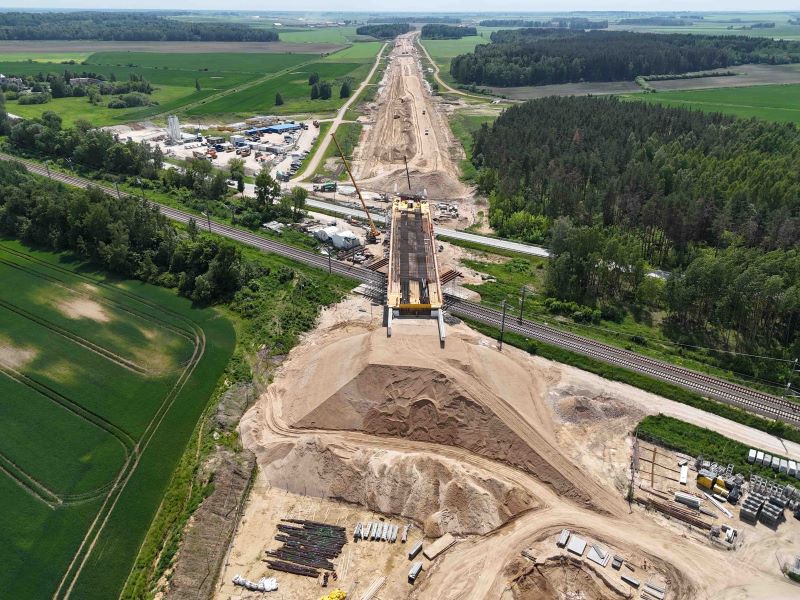
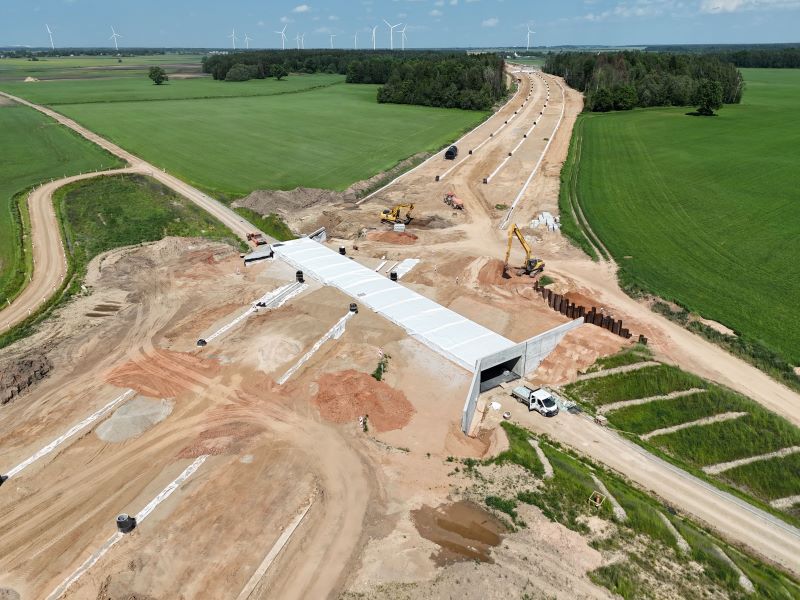
The central global project coordinator RB Rail AS and the Rail Baltica implementing organizations in each country have closely cooperated with all relevant parties to ensure that the project is delivered in the most cost-effective way possible, within the agreed timeframe and to the highest international standards. Over the last 18 months, change management has made significant strides in addressing identified project challenges in various areas, including those highlighted in the State Audit Report published on 12 June 2024. All project partners have worked closely together in this process and the results have been presented to the European Commission.
Rail Baltica funding and financing
The project has undergone significant evolution since its previous cost-benefit analysis in 2017, influenced by both external and internal factors. The geopolitical situation has changed and the 2017 values have been adjusted to take account of inflation, which was 40% in 2017-2022. The implementation cost of the first project phase, which aims to build an operational Rail Baltica line across the three Baltic states connecting to Poland by 2030, is estimated to reach 15.3 billion Eur.
The project is largely financed by the EU funds. Following the successful application to the latest Connecting Europe Facility (CEF) call in 2023, the project has secured a joint financial commitment, with 85% of funding provided by EU funds, totaling 2.7 billion Eur. RB Rail AS has applied for over 2 billion Eur in the CEF 10 call at the beginning of 2024.
Changes in scope and implementation
The timetable to complete the high-speed rail line from the Polish border to Tallinn by 2030 is in accordance with the schedule set by the TEN-T Regulation. This timeline was also reinforced by the Joint Statement of Cooperation on Key Transport Challenges, signed by the Minister of Economic Affairs and Communications of the Republic of Estonia, the Minister of Transport of the Republic of Latvia, and the Minister of Transport and Communications for the Republic of Lithuania at the Baltic Transport Ministers' Meeting in Tallinn on 23 January 2023. The statement emphasized that Rail Baltica has the highest geopolitical and economic priority.
Governance and coordination
RB Rail AS' responsibilities and functions are addressed by a recently concluded Project Management Agreement, which provides significant improvements in the overall split of functions among the different project partners.
The Risk Management Plan, which outlines the risk management system, was approved by the RB Rail AS Management Board in May 2021 and was updated in March 2024. Both the 2021 and the 2024 versions were submitted to the auditors for review and are used to further strengthen risk management in both the company and the global project.
Rail Baltica is recognized as a strategic priority for Europe and is crucial for military mobility on NATO’s Eastern flank, especially in light of the current geopolitical situation. Developing European standard gauge rail infrastructure comprehensively addresses major transport infrastructure challenges and region’s resilience, and will ensure integration and economic development the Baltic region.
 LTG
LTG